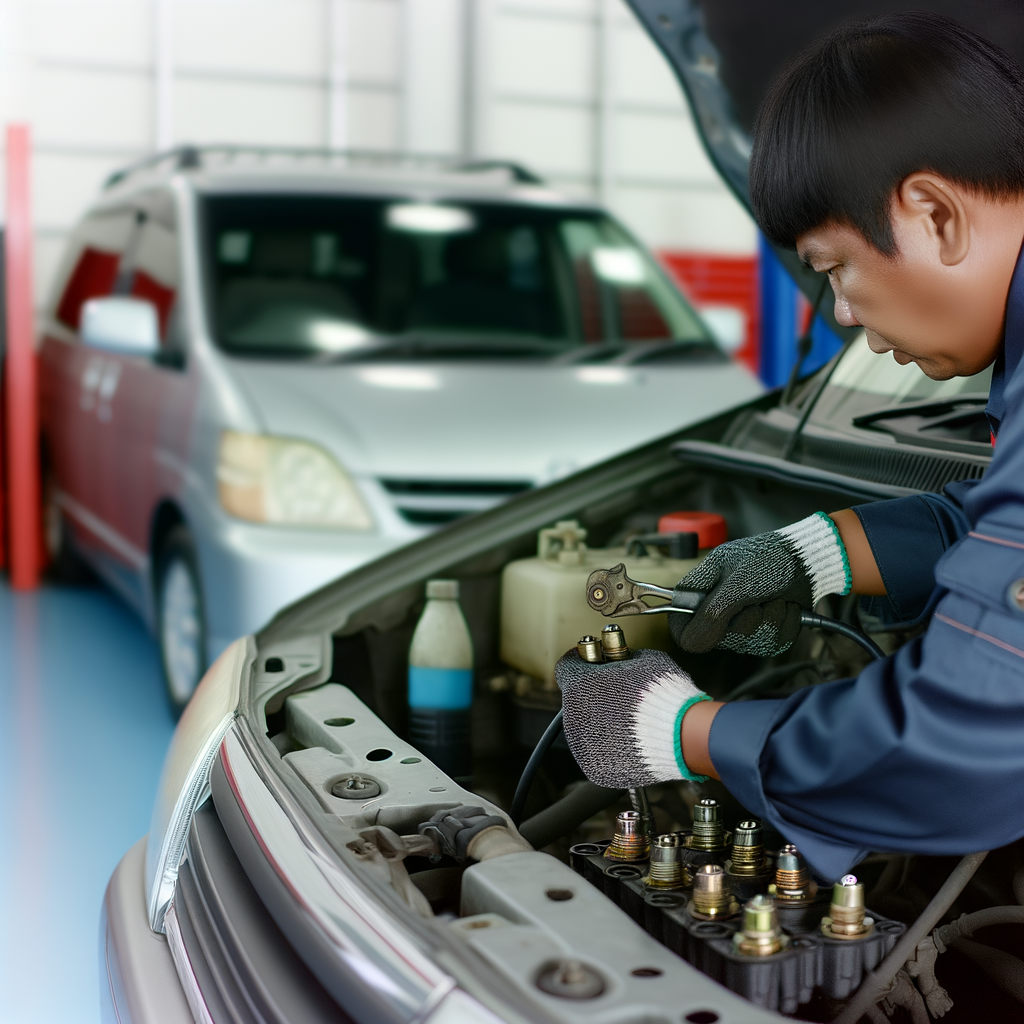

Spark plugs are crucial components of a vehicle’s engine, ensuring efficient combustion and engine performance. Knowing when to replace them in your minivan can save you from costly repairs and improve fuel efficiency. In this article, we’ll explore the signs, timing, and benefits of replacing spark plugs to keep your minivan running smoothly.
Understanding Spark Plug Lifespan and Wear
Spark plugs are vital components in a minivan’s engine, serving as the ignition point for the air-fuel mixture within the combustion chamber. These small but powerful devices generate a spark that ignites this mixture, creating the explosions necessary to power the vehicle. Without properly functioning spark plugs, your minivan’s engine would struggle to convert fuel into energy efficiently, resulting in sluggish performance and potentially more serious mechanical issues. Over time, however, spark plugs naturally wear down due to repeated exposure to intense electrical and thermal stress, necessitating their eventual replacement for optimal engine performance.
The lifespan of a spark plug can vary significantly depending on its material composition. For instance, standard copper spark plugs typically last around 20,000 to 30,000 miles (32,000 to 48,000 kilometers) under normal driving conditions. Platinum and iridium spark plugs, on the other hand, offer improved longevity due to their durability and resistance to erosion, often lasting between 60,000 and 100,000 miles (97,000 to 160,000 kilometers) before requiring replacement. These extended-life spark plugs are especially common in modern vehicles, including many minivans, and they are engineered to withstand the high temperatures and pressures of today’s advanced engines.
Driving styles and environmental conditions can also have a significant impact on spark plug wear. Frequent stop-and-go driving in urban environments, for example, can accelerate wear since the engine is constantly cycling between idle and combustion. Similarly, extreme temperatures, poor fuel quality, or heavy towing can place additional stress on the spark plugs and reduce their effectiveness over time. For these reasons, it’s important to monitor your specific driving habits and acknowledge how they can influence the condition of these critical engine components.
As spark plugs begin to degrade, various symptoms may arise, signaling the need for attention. A common sign of worn or damaged spark plugs is misfiring, where the engine does not fire properly, resulting in erratic performance and uneven power delivery. You may also experience decreased fuel efficiency since the engine must work harder to generate the same output, causing it to burn more fuel than necessary. Rough idling, a noticeable vibration or shaking while the engine is running at rest, is another telltale indicator of spark plug wear. Additionally, the vehicle might struggle during acceleration, and the check engine light may illuminate due to inconsistent combustion cycles.
These signs reflect how wear accumulates on spark plugs. Over time, the electrodes on the spark plugs erode, widening the gap necessary to generate a spark, which reduces efficiency. Moreover, carbon buildup and deposits from incomplete combustion can further impede functionality. Recognizing these indicators early can prevent performance decline and safeguard your minivan’s engine against more costly repairs. Keeping these details in mind will help transition into understanding how to determine the right time to replace spark plugs to maintain a smooth and efficient driving experience.
Determining the Right Time to Replace Spark Plugs
Determining the ideal time to replace spark plugs in a minivan requires a balance between adhering to the manufacturer’s recommendations and recognizing signs of wear based on your specific driving habits. The manufacturer’s recommended mileage interval, typically found in the owner’s manual, serves as the primary guide. For most minivans, this interval falls somewhere between 30,000 and 100,000 miles (48,000 to 160,000 kilometers), depending on the type of spark plugs your vehicle uses. Copper spark plugs generally require replacement at the lower end of this range, while higher-end materials like iridium or platinum can last significantly longer.
However, relying exclusively on mileage intervals may not always account for variability in driving conditions and vehicle usage. For example, if your minivan is primarily subjected to frequent stop-and-go traffic, idling, or short-distance driving, the spark plugs are likely to wear out faster. These conditions cause the engine to cycle more frequently, increasing stress on the spark plugs. On the other hand, consistent long highway drives at steady speeds place less strain on the ignition system, potentially allowing spark plugs to maintain their efficiency over a longer period.
Visual inspection of spark plugs can offer valuable insights into their condition and determine whether replacement is needed before reaching the recommended mileage. If you’re comfortable with basic vehicle maintenance tasks, carefully remove the spark plugs to examine their electrodes and insulators. Spark plugs in good condition should show only light tan or grayish deposits. Signs of wear such as eroded electrodes, heavy carbon buildup, or oil fouling suggest that they are no longer performing optimally and need replacing. Additionally, discolored or blistered plugs may indicate overheating or improper combustion—a situation that requires immediate attention to both the spark plugs and potentially underlying engine issues.
It’s also important to monitor performance issues that point to spark plug wear in real-time, such as rough idling, slower acceleration, reduced fuel efficiency, or frequent engine misfires. If these issues persist even after routine servicing, it could mean the spark plugs are nearing the end of their lifespan, regardless of mileage elapsed. Addressing spark plug wear proactively can prevent more costly damage to other engine components, such as ignition coils or catalytic converters, which can be stressed by inefficient combustion.
For optimal performance and longevity of your minivan, it’s critical to combine proactive inspection, attention to performance issues, and adherence to manufacturer guidelines. Routine maintenance checks, even if no apparent issues are present, ensure your spark plugs remain in optimal condition and keep the engine running smoothly. By staying vigilant and informed, you minimize the risk of unexpected breakdowns and maximize your vehicle’s efficiency and reliability.
Conclusions
Replacing spark plugs at the right intervals is essential for maintaining your minivan’s fuel economy and engine performance. By understanding the signs of wear and following the manufacturer’s guidelines, you can prevent bigger issues and costly repairs. Regular inspections and timely replacements ensure your minivan runs smoothly and efficiently, keeping you safe on the road.
Leave a Reply